Tuesday, May 21, 2013

My Garden on Tour, and Plant Sale

My home garden will be on the Garden Club of Lincoln's annual tour on June 8 from 9am to 1pm. I'll have prairie seedlings and seeds for sale, along with other goodies. Look for info on the tour in the Lincoln Journal Star's Neighborhood Extra on June 1 and an article on June 2.

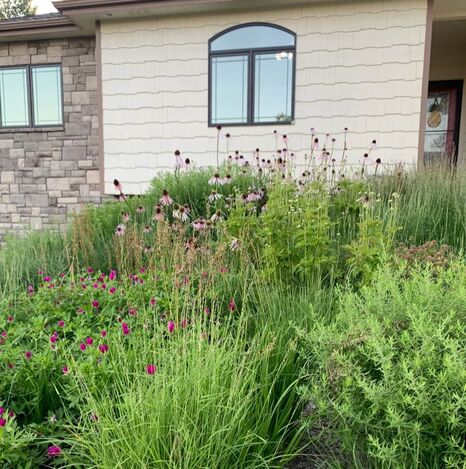
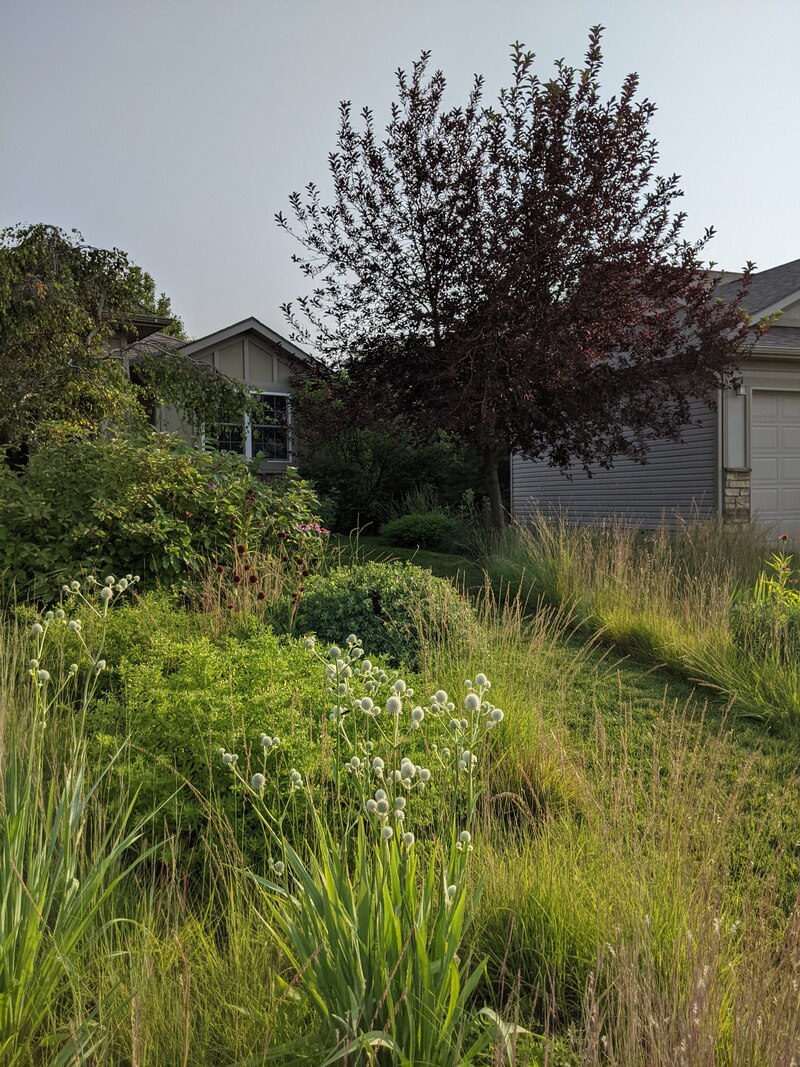
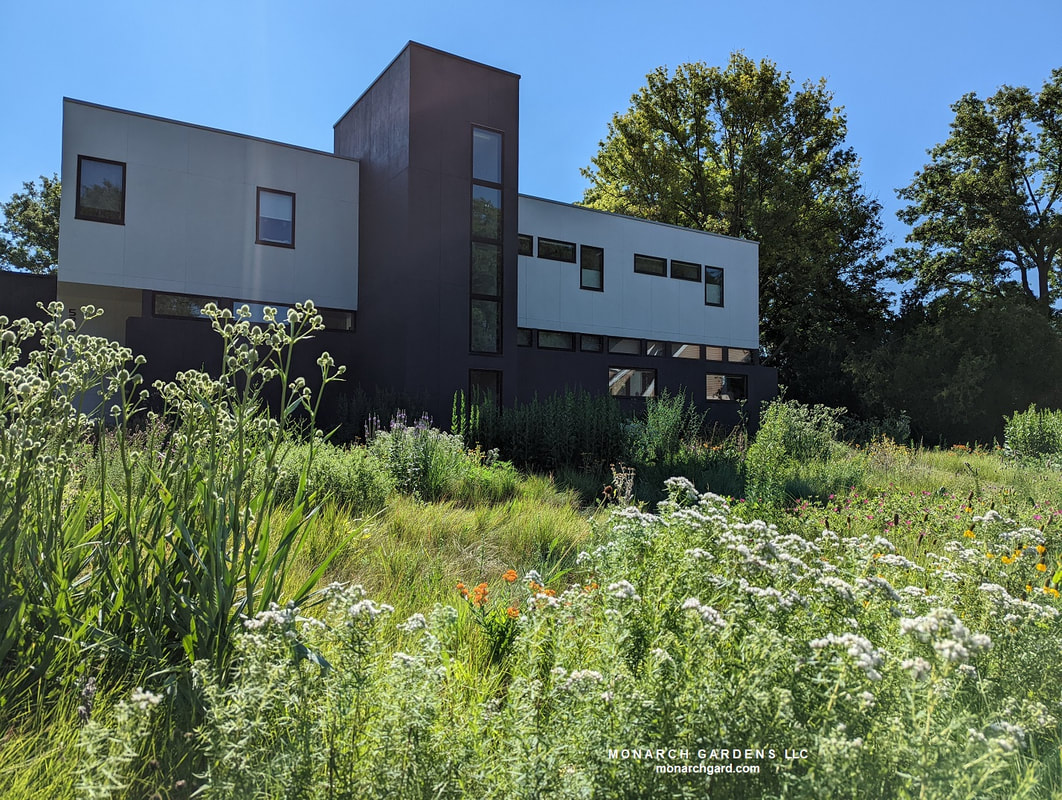
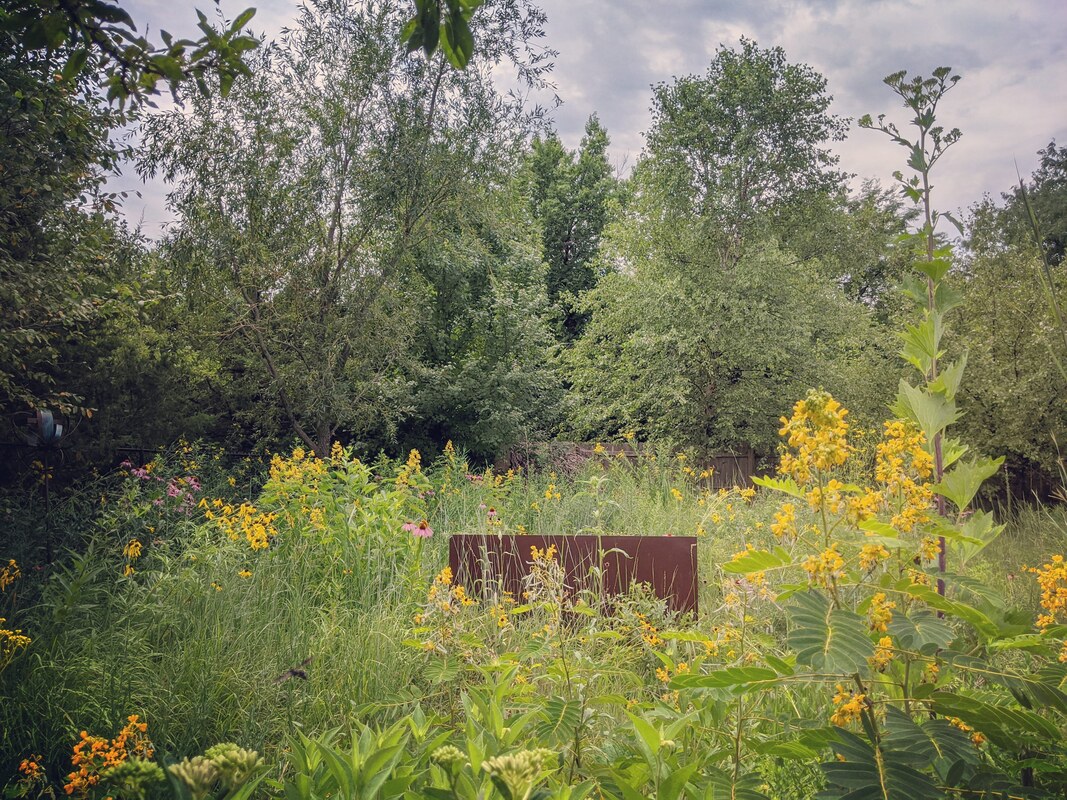
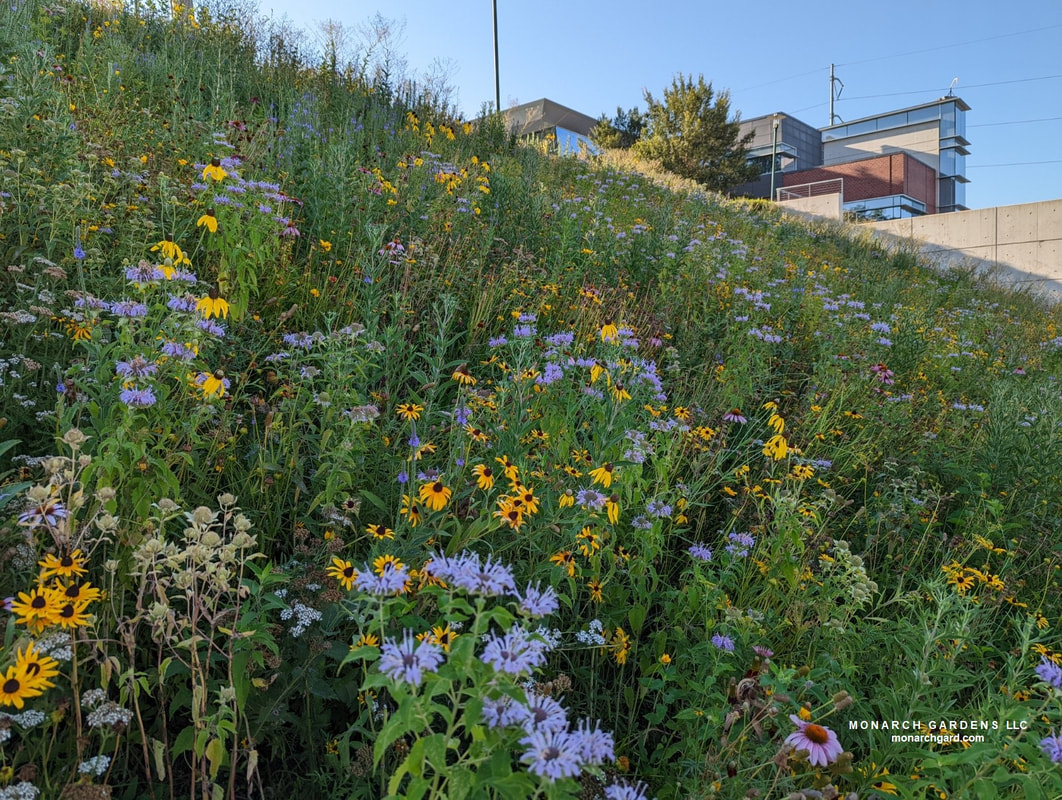
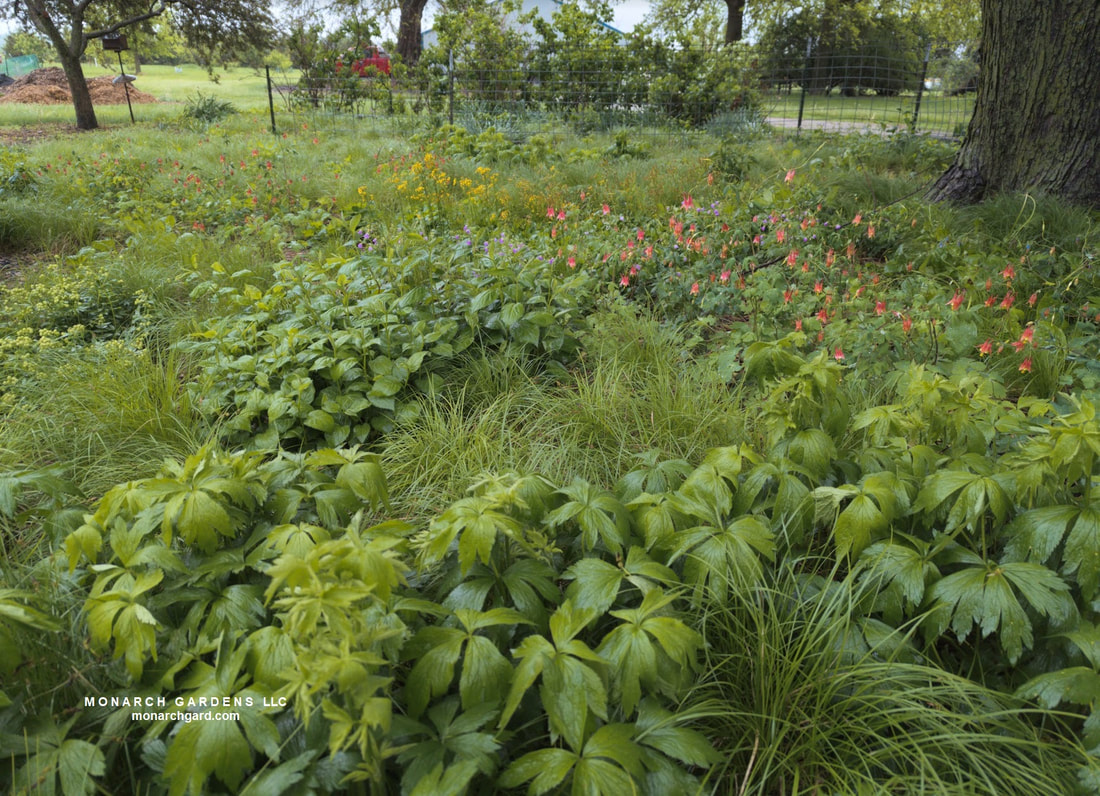
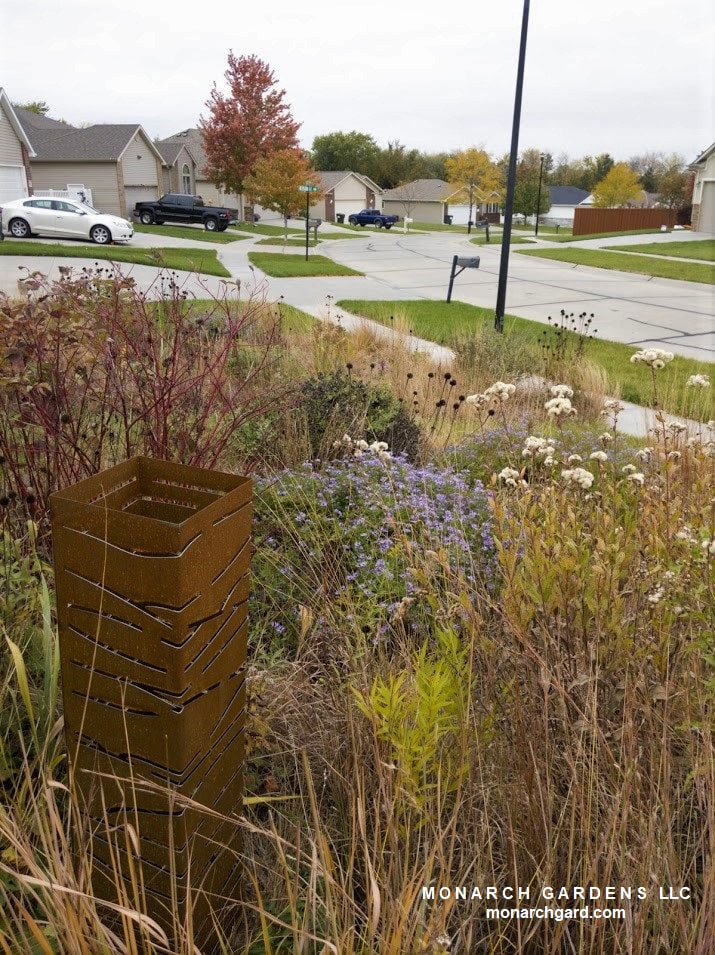
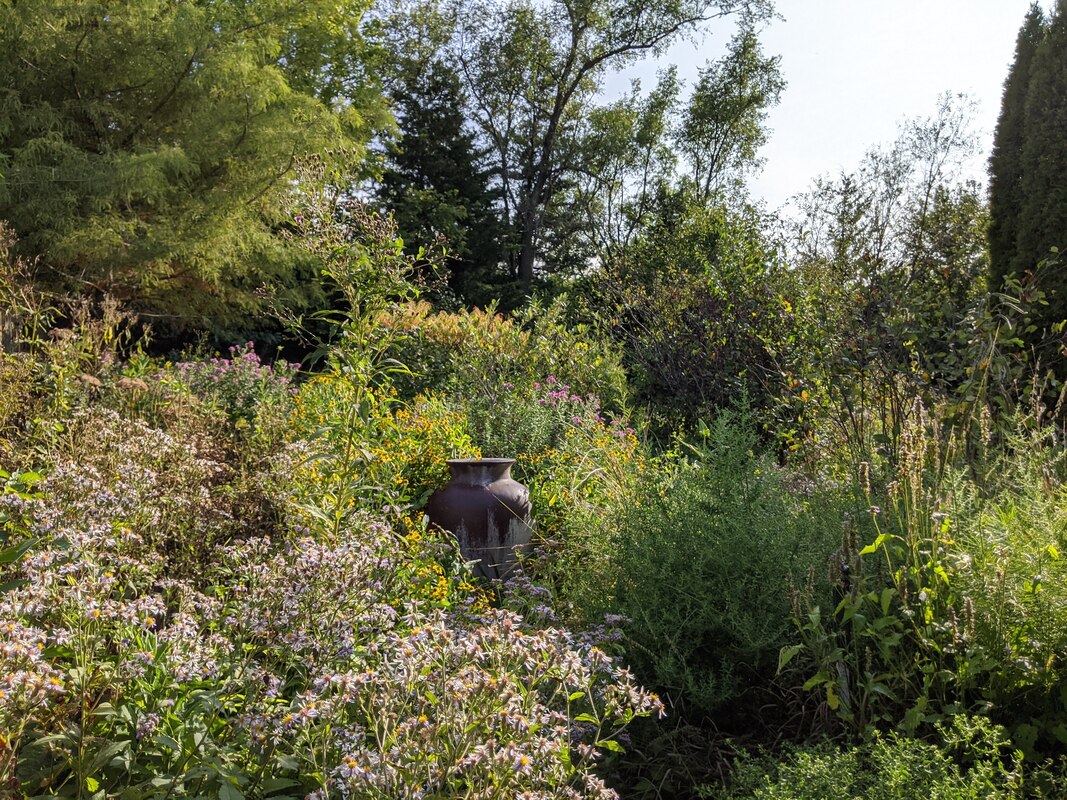
Hope you'll stop by and I can show you the adaptable native plants that thrive in Nebraska and bring in good wildlife. Again, I water twice a year (in a bad year) and spend 1-2 days cutting it down in March, and that's it. Of course, I'm out there every day messing around, but that's because, well, there's so much cool stuff going on!


Friday, May 17, 2013

Video Preaching

This Minnesota gardener had a dull, lifeless, barren small front lawn -- then she went native and started cataloging the exploding variety and number of wildlife. A testament to how easy and worthwhile it is to grow with site specific native plants.


Tuesday, May 14, 2013

New Garden Speaking Flyer & Events

In addition to my personal consulting, I give lots of talks -- and want to give more! They are incredibly fun and energizing, and when black thumbs leave telling their spouses "we're planting a native prairie garden" I know the magic is in the air (true story!). I want to talk to your group! Here's a pdf link to the below flyer.

A reminder that on 5/15 I'll be in Omaha at the Ralston Library from noon to 1pm talking prairie wildflowers, and I'll be teaching another class at SCC in Lincoln on July 20.

Don't forget my landscape is on the Garden Club of Lincoln tour on June 8 from 9am-1pm. I'll have prairie seedling for sale cheap!

By the way -- I won't have to water my native plant garden for another two months at least. Why not create your own sustainable, low maintenance, pollinator and bird friendly landscape today? It's never too late... spring, summer, fall, whenever.


Thursday, May 2, 2013

Stop Planting Burning Bush

Great link here on why invasive non-native plants stink, and some good native alternatives. For burning bush, instead plant itea, purple-leaved ninebark, or eastern wahoo; all have stupendous red fall color like burning bush but support native wildlife (birds, bees, butterflies, etc). There is no such thing as a sterile non-native invasive plant -- so many revert to their spreading ways, alter soil chemistry, and harbor pests and diseases. Read the above link. Please. I'll send you a monarch butterfly or something if you do.

Sunday, April 28, 2013

Wildflower Class, Talk, Garden Tour

Take a one hour class with me and learn about great perennial native flowers. Hear me talk about them in Omaha. Come to my garden and purchases cheap natives. Come on. :)

5/6 -- 6-8pm -- Gardening With Nebraska Wildflowers -- Southeast Community College Continuing Education, Lincoln -- Teaching a class on organic wildlife gardening with native Nebraska flowers.

5/15 -- 12-1pm -- Nebraska Wildflower Gardening -- Ralston Library Lunch & Learn program. Omaha, NE.

6/8 -- 9am-1pm -- Garden Club of Lincoln Garden Tour -- Come see my home garden and talk plants. I'll have seeds and seedlings, with refreshments, available for you.

Wednesday, April 17, 2013

Earth Day & Spring Affair

I hope you'll stop by my table at either Earth Day -- party at Antelope park from 12-5 on 4/21 -- or the Spring Affair plant sale -- 4/27 from 9-4.

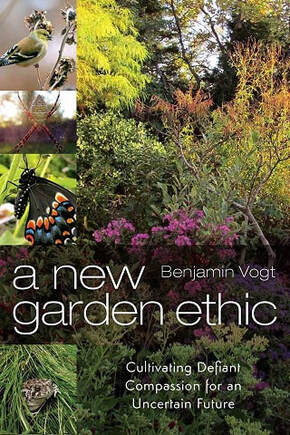
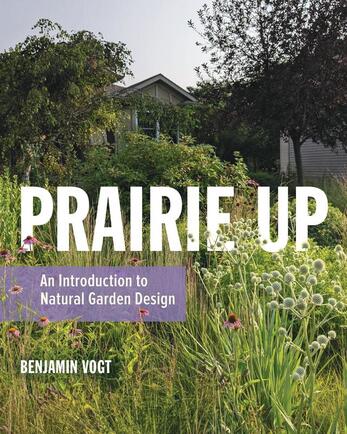
There will be my gardening book, my book on raising monarchs and why you should, seed bombs, seed pills, bee houses, seed packets, and anything else I can scrape together.

Wednesday, April 3, 2013

A Pesticide That Hangs Around a Long Time

A summary from the Xerces Society on an article about one very widely used insecticide that may be contributing to the loss of bees (and surely is contributing in the loss of many pollinating insects that give us apples, almonds, feed baby birds, etc):
  • Neonicotinoid residues are found in pollen and nectar consumed by pollinators such as bees and butterflies. The residues can reach lethal concentrations in some situations.
  • Neonicotinoids can persist in soil for months or years after a single application. Measurable amounts of residues were found in woody plants up to six years after application.
  • Untreated plants may absorb chemical residues left over in the soil from the previous year.
  • Products approved for homeowners to use in gardens, lawns, and on ornamental trees have manufacturer-recommended application rates up to 120 times higher than rates approved for agricultural crops.
  • There is no direct link demonstrated between neonicotinoids and the honey bee syndrome known as Colony Collapse Disorder (CCD). However, recent research suggests that neonicotinoids may make honey bees more susceptible to parasites and pathogens, including the intestinal parasite Nosema, which has been implicated as one causative factor in CCD.
  • Many neonicotinoid pesticides that are sold to homeowners for use on lawns and gardens do not have any mention of the risks of these products to bees, and the label guidance for products used in agriculture is not always clear or consistent.
I urge you to find native plants that support biodiversity, bringing in beneficial insects that prey on the bad bugs, eliminating the need for chemicals that are absorbed by our environment and our kids who play in that environment.